
How fast can you deliver after a storm hits Melbourne?
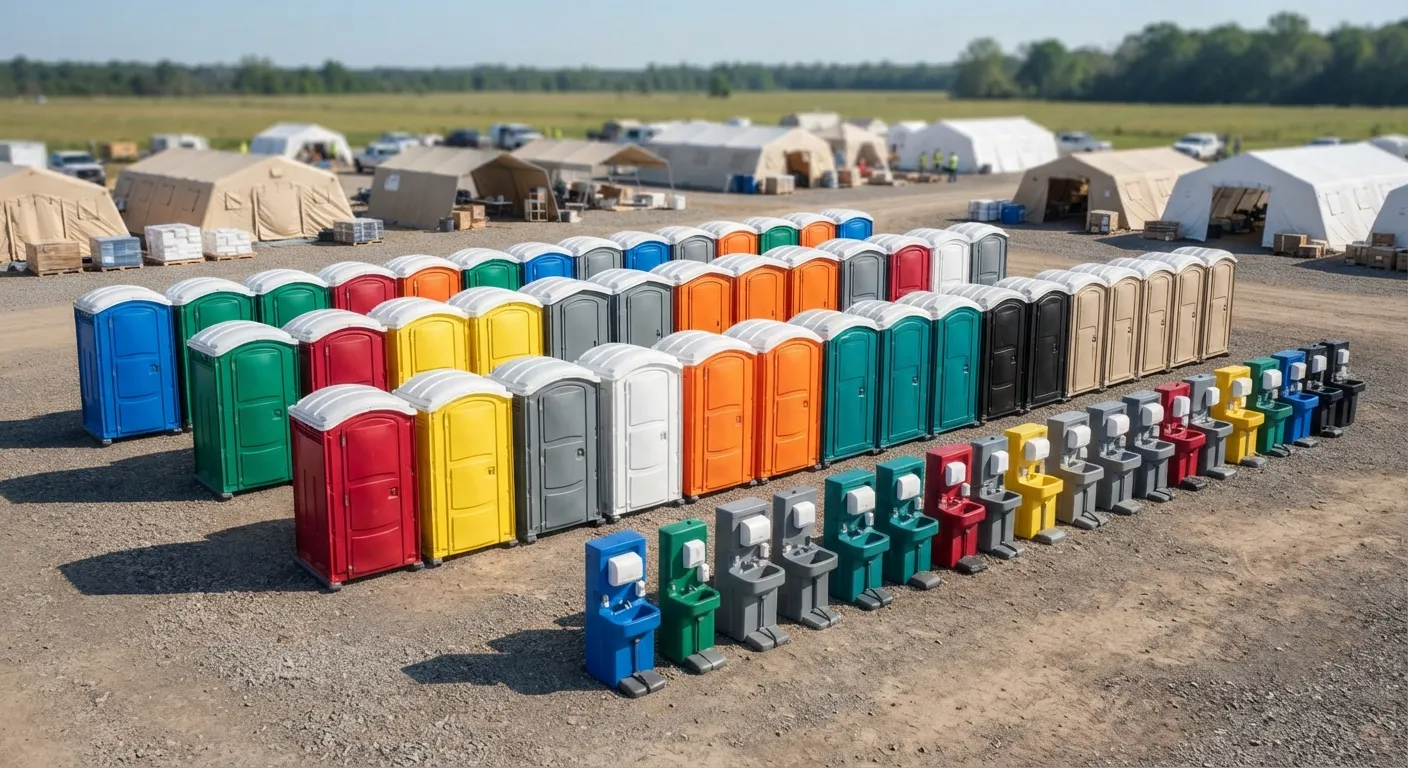
Speed depends on road conditions and how many crews are already staged before landfall. That is why Melbourne Porta Pros pre-positions standard porta potty rental units and service trucks ahead of named storms instead of waiting for the call. A porta potty rental request during active recovery gets routed to whichever driver is closest, whether that is a crew working West Melbourne 5.7 miles south or a shelter site north toward Rockledge 18.4 miles away. If normal delivery routes are blocked, we work with whatever access exists: a driveway, a cleared lot, a shoulder. Roll-off delivery for debris still needs about 60 feet of straight clearance behind the truck, and that spec does not change just because it is an emergency. We also carry dumpster rental stock for storm debris and can pair a 10 yard dumpster rental with restroom units on the same delivery run to cut down on separate trips. For sites without power, a light tower rental or temporary power pole can go out alongside the sanitation gear so cleanup crews can keep working after dark. Melbourne's disaster response often means restoring basic services to a neighborhood block by block, and toilets and handwashing are usually the first things a shelter or staging area asks for.
What sanitation do shelters and staging areas actually need?
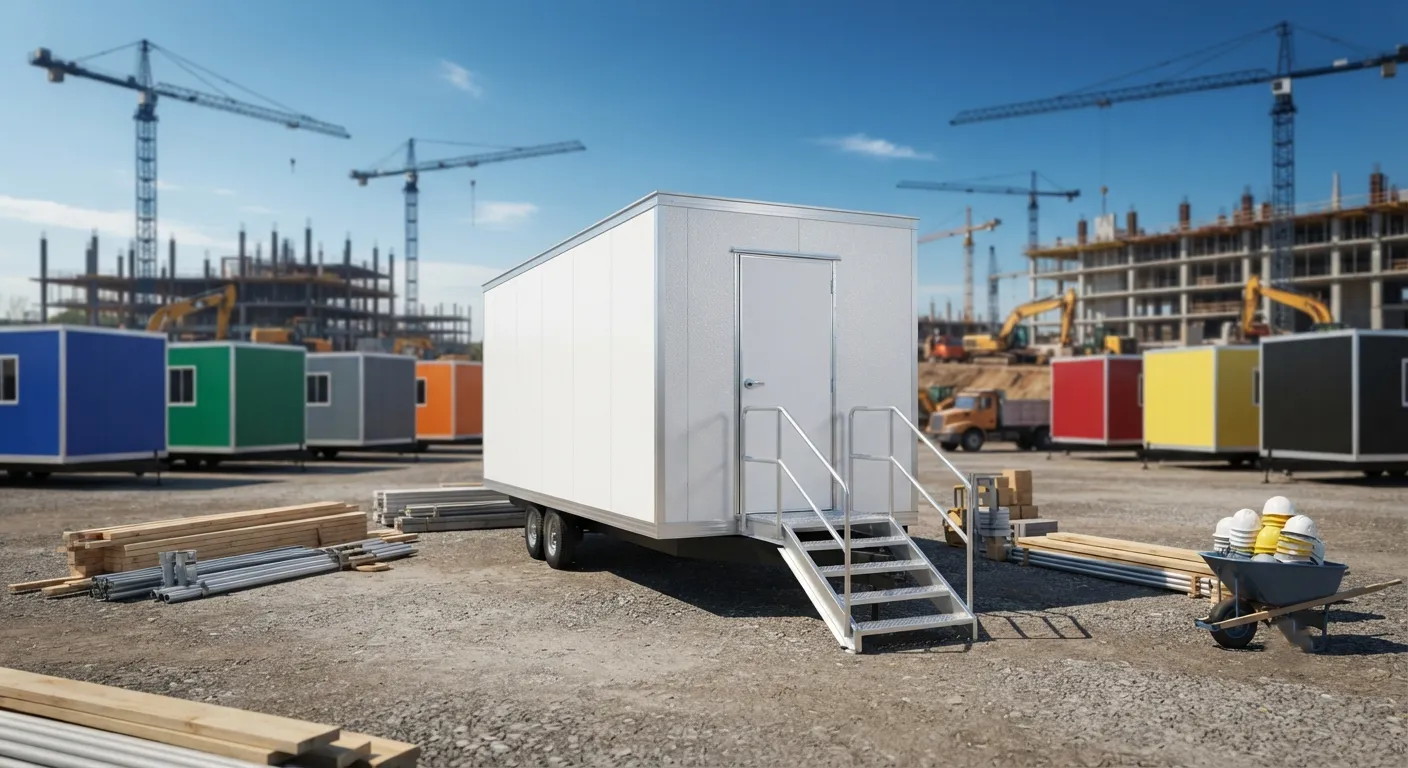
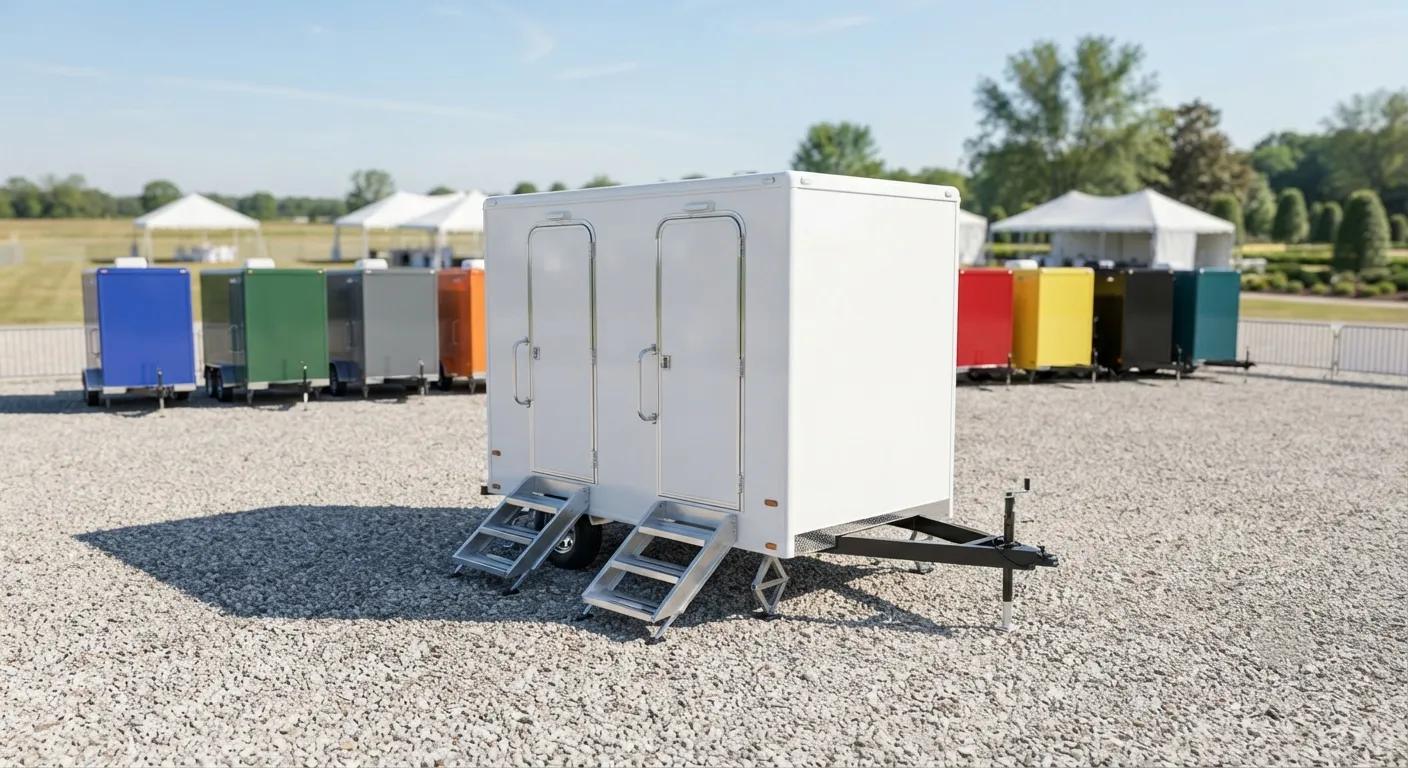
Any place where people gather for more than a few hours needs toilets, water and a way to wash hands, and OSHA 1926.51(c) sets the baseline ratio construction and relief crews still get measured against: one toilet for 20 workers or fewer, scaling up from there. A shelter is not a construction site, but the same math applies once headcount climbs. Add handwashing station rental units next to every restroom bank, since 29 CFR 1910.141(d)(2) requires soap and a way to dry hands, not just sanitizer. OSHA 1926.51(a)(1) also calls for an adequate supply of potable water at any staffed site, which matters when the municipal system is still down. For crowds with mobility limits, ADA Standards section 213.2 requires at least one accessible unit in any cluster of portable toilets, so we route an ADA accessible porta potty into every shelter deployment, not just the larger ones. If the shelter is running a kitchen operation for displaced residents, a grease interceptor gets pumped once fats, oils and grease reach 25 percent of the liquid depth, which happens faster than people expect under storm-kitchen volume. We can also bring in a holding tank rental where the sewer line itself is compromised, and pair it with septic pumping service once a schedule is possible again. For longer-term recovery camps, a restroom trailer rental gives crews something closer to normal facilities than a single stall.
Can you handle sanitation for flooded or damaged septic systems?
Yes, and it is one of the most common calls we get once floodwater recedes. A residential septic tank is typically pumped every 3 to 5 years under normal conditions, but a storm surge or heavy inland flooding can force an out-of-cycle pump long before that schedule was due. Our septic tank pumping cost page breaks down what drives the price, but during active disaster response we prioritize calls where a tank is backing up into a home or business. Watch for the usual septic tank warning signs: slow drains, standing water over the drain field, or sewage odor near the tank lid. If a system is compromised and repair is days out, a holding tank rental keeps a household or small business functional in the meantime. Commercial kitchens feeding relief workers should also watch their grease trap, since grease trap pumping gets skipped during a crisis and then causes a second emergency on top of the first. We serve calls across Melbourne and into Indian Harbour Beach 6.9 miles northeast and Satellite Beach 8.7 miles northeast when regional systems are overwhelmed, and Merritt Island sits about 16.2 miles north if crews need coverage that far out.
How many porta potties does a shelter need?
It depends on headcount, but OSHA 1926.51(c) is the standard we start from: one toilet for every 20 people, scaling to one toilet and one urinal per 40 once you pass that threshold. Our how many porta potties do I need guide walks through the math for a specific shelter size.
Do you charge extra for emergency or after-hours delivery?
Standard delivery fees run 100 to 500 dollars depending on timing and distance, and emergency response during active disasters can fall at the higher end of that range. Ask our emergency porta potty rental team for a same-day quote before you commit to a plan.
Can you supply handwashing stations without running water?
Yes. Our handwashing station rental units carry their own water supply and meet the soap-and-towel requirement under 29 CFR 1910.141(d)(2), which sanitizer alone does not satisfy. They pair well with any shelter or staging deployment.
What if debris removal contractors also need a dumpster?
We can deliver a dumpster on the same trip as restroom units. Check dumpster sizes and dimensions first, since storm debris loads faster than yard waste and undersizing means a second haul.
Do you serve areas outside Melbourne during regional disasters?
Yes, our trucks already cover West Melbourne, Indian Harbour Beach, Satellite Beach, Merritt Island and Rockledge. Check service areas for full coverage, or call ahead so we can stage a unit near your location before conditions worsen.
Next step
Get a delivery date
Tell us the address, the dates and the headcount. We size the order and confirm the route.